
Nigeria Birthday Traditions That Bring Parties To Life
You arrive at a hall in Lagos on a Saturday afternoon, thirty minutes after the stated start time, which, by Nigerian social standards, makes you early. The bass from the speakers hits before the door opens.
Inside, guests dressed in coordinated fabrics move between tables filled with jollof rice, fried plantain, and small chops. The celebrant hasn’t arrived yet, and when they do, it will feel less like an entrance and more like a moment everyone has been waiting for.
In Nigeria, birthdays are not just personal milestones; they are communal celebrations of identity, progress, and belonging. The energy, the fashion, the food, and even the timing all follow traditions that turn a simple birthday into a full cultural experience.
Here areNigeria birthday traditions, what they are, why they matter, and how they’ve evolved into the unforgettable celebrations seen today.
Nigerian Birthday Traditions At A Glance
Nigerian birthday celebrations are known for their energy, culture, and strong sense of community. Here are the key traditions that define them:
- Lively parties:Music, dancing, and social interaction are central to the experience
- Jollof rice and party food:Food like Jollof rice, small chops, and grilled meat is essential
- Money spraying:A cultural way of showing appreciation and wishing prosperity
- Ankara and stylish outfits:Guests dress boldly, often in coordinated or themed attire
- Grand entrance:The celebrant is danced into the venue with music and excitement
- Birthday photoshoots:Professional shoots and social media posts build anticipation
- Prayers and thanksgiving:Many celebrations begin with gratitude through religion
- Cash gifts:Money is commonly given as a practical and meaningful gift
What Makes Nigerian Birthday Traditions Unique?
To understand Nigerian birthdays, you need to look beyond the surface.
How Nigerian Birthday Parties Started (simple And Community-based)
In the past, Nigerian parties were simple and familiar. You didn’t always need a formal invitation; people heard about the event through friends or family and showed up.
Children wore their “best clothes,” and party packs were something everyone looked forward to. The MC was usually someone known by everyone, and the event flowed naturally without strict timing.
At bigger events like weddings or naming ceremonies, the focus was still very simple:
- Come together
- Celebrate
- Eat good food
- Enjoy the moment
As long as there was good food and good music, the party was successful. Nigerian celebrations were built on connection, not perfection.
How Nigerian Parties Evolved With Modern Lifestyle
As cities like Lagos and Abuja grew, birthday parties started to change. They became more organized and more intentional. One major reason for this change is social media.
Parties are no longer just for the people present; they are now shared online. This has changed how people plan and experience celebrations.
Some noticeable changes include:
- Smaller, more selective guest lists
- Clear party themes
- Better decorations and event planning
- More attention to outfits
The idea of aso ebi(matching outfits) also changed. It is now about styling and coordination, not just wearing the same fabric.
Now, people don’t just ask: “Are you coming?”
They also ask: “What are you wearing?”
Nigerian parties have become planned experiences, not just gatherings.
The Rise Of Luxury And Experience-driven Birthday Parties
Today, many Nigerian birthday parties are designed to feel like full experiences, not just events.
Everything is carefully planned, including:
- Venue decoration
- Lighting and atmosphere
- Music and entertainment
- Food presentation
Guests don’t just attend; they experience the event. Common modern features include the following:
- Multiple outfit changes
- Grand entrances
- Professional photos and videos
- High-energy dance moments
These parties now combine:
- Fashion
- Entertainment
- Lifestyle culture
This trend has also created opportunities for vendors and event professionals, making celebrations an important part of business in Nigeria, especially for decorators, caterers, DJs, and photographers. Modern Nigerian birthdays focus on experience, style, and memorable moments.
Each of these Nigerian birthday traditions explained below carries both social and cultural meaning.
1. Hosting Lively, High-energy Parties
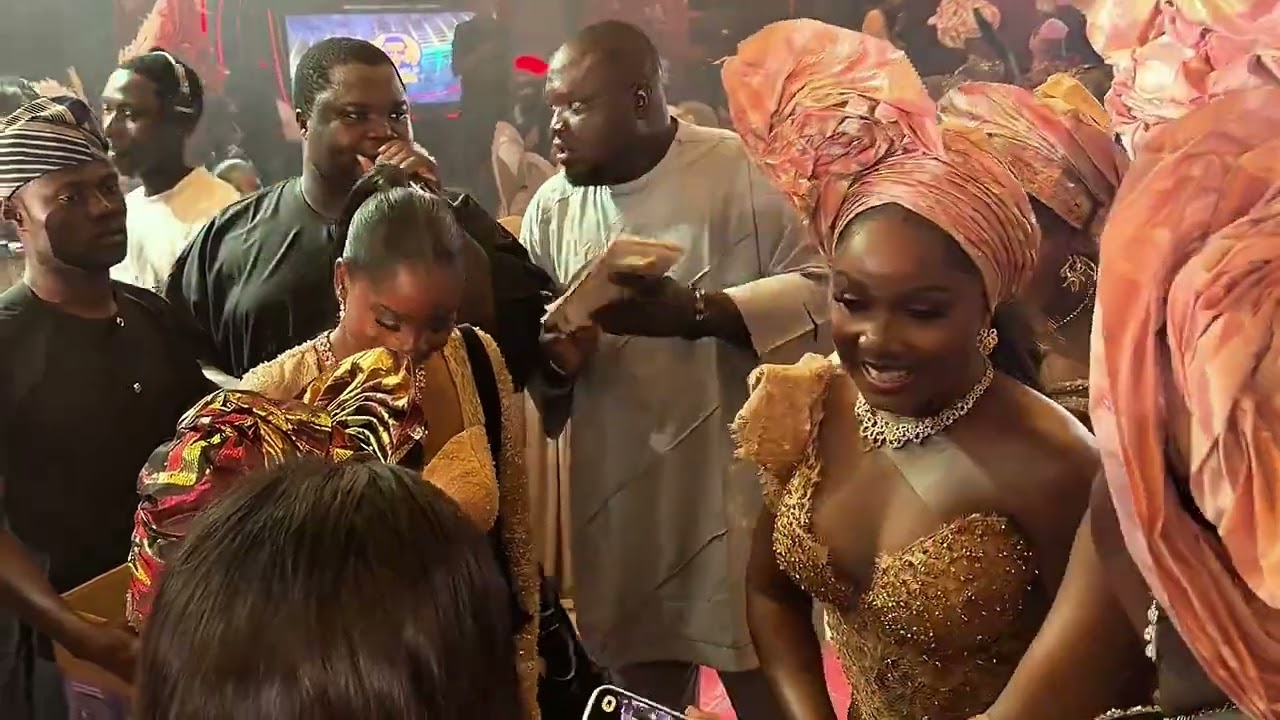
Nigerian birthday parties are known for their high energy and vibrant atmosphere. From the moment guests arrive, there is usually loud music, people dancing, and food being served. Whether it’s a small home gathering or a big event in Lagos, the goal is always the same: to create a space where everyone feels free to celebrate.
Food plays a major role in this experience. Dishes like Jollof rice, fried rice, chicken, and small chops are almost always present. At the same time, Afrobeats and other popular Nigerian musickeep the mood lively. Guests are not just sitting and watching; they are actively involved, moving around, dancing, and socializing.
This tradition reflects an important cultural value: celebration is meant to be shared and enjoyed together. A successful Nigerian birthday is not about being quiet or perfectly organized; it’s about energy, connection, and making sure everyone leaves feeling happy and included.
2. Money Spraying
Money spraying is one of the most unique parts of Nigerian birthday celebrations. During the party, guests place or throw money, usually naira notes, on the celebrant while they dance. To someone unfamiliar with the culture, it may look like showing off, but it actually has a deeper meaning.
In Nigerian culture, spraying money is a way of showing love, support, and blessings. It represents a wish for the celebrant to have a successful and prosperous year ahead. In many Yoruba traditions, older family members often spray first, making it a sign of respect and generational blessing.
The act usually happens during special moments like the celebrant’s entrance or while dancing. Both the guest and the celebrant participate, creating a joyful and shared experience. Even with modern changes and some legal concerns, money spraying remains popular because it adds a visible and emotional layer of celebration that simple gifts cannot replace.
3. Birthday Thanksgiving In Nigeria (church, Mosque, And Spiritual Meaning)
For many Nigerians, a birthday is not complete without acknowledging the spiritual side of life. Before any party takes place, it is common to start the day with prayer, either in a church, mosque, or at home. This shows gratitude for life and the opportunity to celebrate another year.
Among Christians, birthday thanksgiving services are very common. The celebrant may attend church, give thanks, and receive prayers from the congregation. In some cases, this service is considered the most important part of the birthday, while the party comes later as a way to celebrate with others.
In Muslim communities, birthdays may be marked with prayers, family gatherings, and acts of charity, such as sharing food with neighbors or helping those in need. While practices vary, the timing of religious observances is often guided by the Hijri calendar dates, which are used to track important Islamic events. The idea remains the same: a birthday is not just a social event but also a moment to reflect, give thanks, and connect with faith.
4. Nigerian Birthday Food
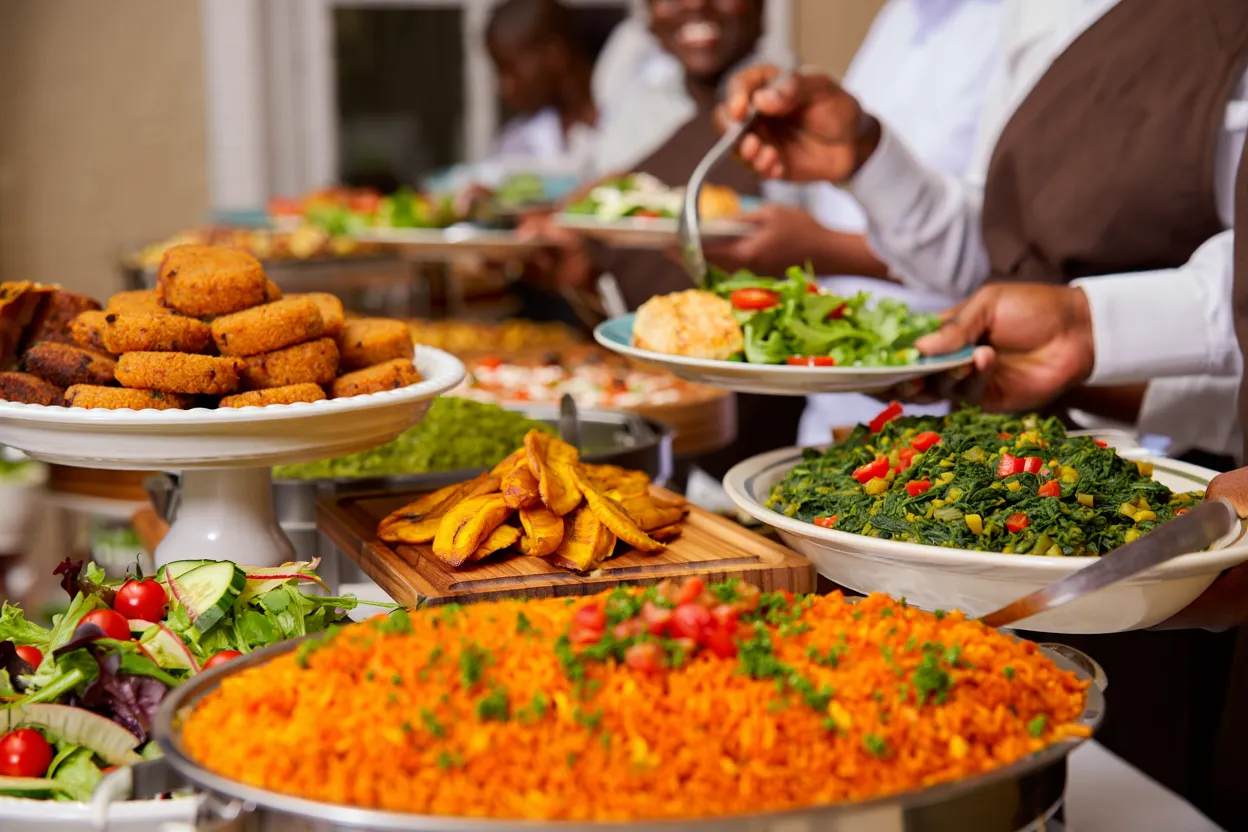
Food is one of the most important parts of any Nigerian birthday celebration. A party without plenty of food is often seen as unsuccessful. Guests expect a wide variety of dishes, and the host is judged by how well they feed people.
The most common foods you will find include Jollof rice, fried rice, small chops, puff puff, and pepper soup. There is also grilled meat like suya, asun, or fish, along with drinks like Chapman and soft beverages. Many of these dishes, when prepared traditionally, can also be considered healthy Nigerian foods, as they often use fresh ingredients and balanced spices. These foods are not just for eating; they are part of the overall celebration experience.
In Nigerian culture, food represents hospitality, care, and respect. People often say a party is good based on how satisfying the food is. This is why hosts usually prepare more than enough, making sure every guest feels welcome and well cared for.
5. Ankara Outfits And Fashion Culture (Aso-Ebi)
At Nigerian birthday parties, what you wear is just as important as showing up. Guests don’t simply attend, they come dressed to stand out. From colorful Ankara fabrics to lace, aso ebi, and designer outfits, fashion is a major part of the celebration.
In recent years, birthday fashion has become more intentional and planned. Many people start preparing their outfits weeks in advance. It’s also common for celebrants to have multiple outfit changes, especially during big parties. Coordinated themes where friends or groups wear matching styles are now popular, adding to the visual appeal of the event.
This focus on fashion is not just about looking good. It is a way of participating in the celebration. Dressing well shows respect for the host and adds to the overall energy and beauty of the party. In Nigerian culture, style is a form of expression, and at birthdays, it becomes part of the experience itself.
6. Dancing The Celebrant To Their Seat (grand Entrance Tradition)
At Nigerian birthday parties, the grand entrance of the celebrant is one of the most important moments. Instead of walking in quietly, the celebrant arrives with music, dancing, and excitement, setting the tone for the entire event.
They are usually escorted by friends or family while the DJ plays their chosen song and the MC hypes the crowd. Guests join in, dancing and cheering as the celebrant moves to their seat. This moment often includes money spraying and can last several minutes.
The grand entrance is more than just an arrival it is a way to celebrate the person publicly. In different regions, it may include Fuji or highlife music, traditional dancers, or praise singing, making it a unique and memorable highlight of Nigerian birthday celebrations.
7. The Cake Ceremony
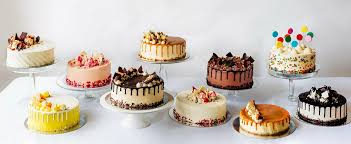
Birthday cakes in Nigeria are more than just dessert; they are part of the celebration itself. In many cases, especially at big parties, there is more than one cake.
Different groups may present their own cakes, such as:
- Friends
- Family members
- Work colleagues
- Church groups
Each cake represents a relationship and support system around the celebrant. The cake-cutting moment is usually lively, with music, cheering, and sometimes prayers.
The celebrant cuts the cake and may share the first piece with someone special. This makes the moment feel more communal and meaningful, not just personal.
8. Birthday Photoshoots And Social Media Celebration
In recent years, birthday photoshoots have become a major part of Nigerian birthday culture. Many people now organize professional shoots before their actual birthday.
These photoshoots often include:
- Different outfits and styles
- Creative themes like traditional or luxury looks
- Professional makeup and photography
The photos are shared on platforms like Instagram, TikTok, and WhatsApp.
Another popular trend is the birthday countdown, where people post daily updates leading up to their birthday. This builds excitement and makes the celebration last longer. For many people, the photoshoot itself is already a big part of the celebration.
9. Family Prayers And Birthday Blessings
For many Nigerians, birthdays are not complete without prayers and blessings. Before any party begins, it is common to thank God or pray for a new year of life.
In Christian homes, this may involve attending a church thanksgiving service or praying with family. In Muslim communities, it may include prayers and acts of kindness like sharing food with others.
This tradition shows that birthdays are not only about celebration but also about gratitude and reflection. It reminds people to appreciate life and look forward to the future with hope.
10. Gift-giving (Cash And Practical Gifts)
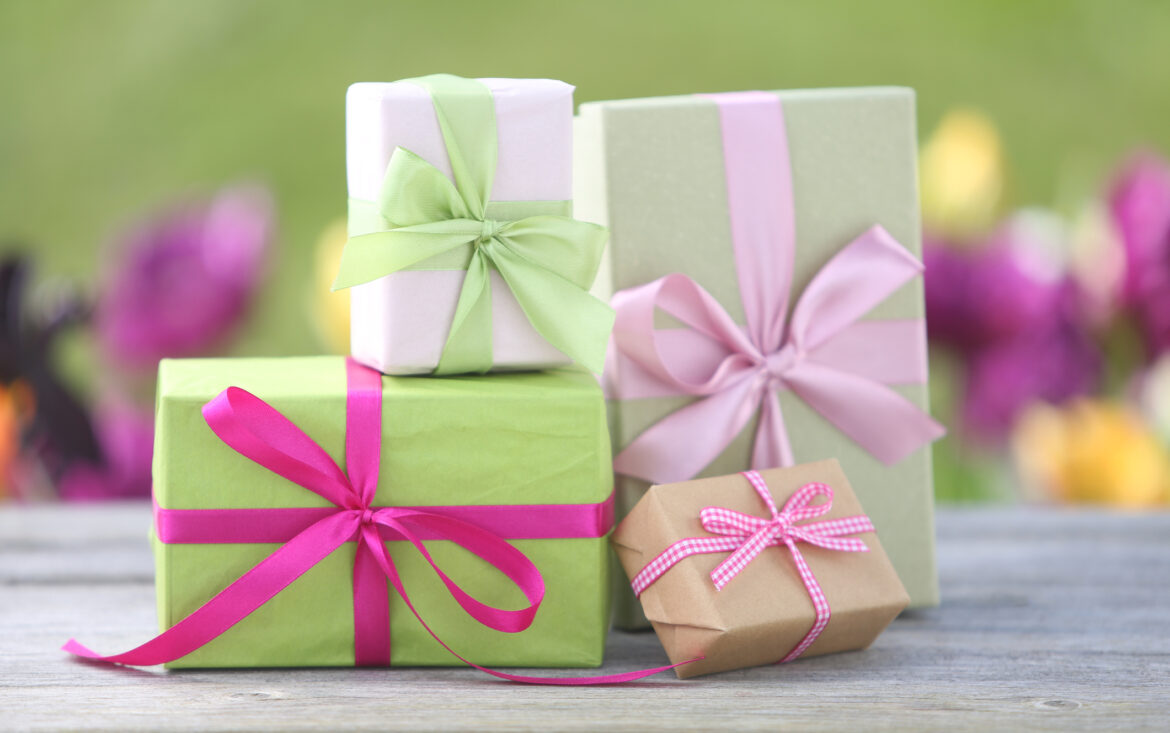
Giving gifts is an important part of Nigerian birthday celebrations. While people may give physical items, money is one of the most common gifts.
Cash gifts are preferred because they are practical and useful. They allow the celebrant to decide how to use the money, whether for personal needs or plans.
This tradition reflects a cultural value of support and usefulness. Instead of giving random items, people focus on giving something that will truly help the celebrant. It also connects with practices like money-spraying, where financial support is shown openly.
How To Plan A Nigerian-style Birthday Celebration
If you want to recreate a Nigerian birthday celebration, focus on the key elements that make it lively, welcoming, and memorable. It’s not about perfection; it’s about energy, food, music, and participation.
Food Checklist (must-have Nigerian Party Food)
Food is the heart of the celebration, so make sure there is plenty for everyone.
Regional Food Variations: Yoruba, Igbo, And Hausa Birthday
| Ethnic Group | Signature Birthday Dish |
| Yoruba | Egusi soup with pounded yam, Amala & Ewedu/Gbegiri, Asaro (Yam potage) |
| Igbo | Ofe onugbu (bitter leaf soup) with ofe akwu & apku |
| Fulani/Hausa | Tuwo shinkafa with miyan kuka |
Other Food That Transcends All Ethnic Boundaries
- Jollof rice
- Fried rice
- Chicken or beef
- Small chops (puff puff, samosas, spring rolls)
You can also add pepper soup or grilled meat for a more complete Nigerian party menu.
Music And Atmosphere (create The Right Vibe)
The party should feel alive from start to finish.
- Play Afrobeats and popular Nigerian music
- Leave enough space for dancing
- Keep the energy high and interactive
A DJ or good playlist is important because music controls the mood of the event.
Dress Code Tips (style Is Part Of The Celebration)
What people wear adds to the overall experience.
- Encourage bold, colorful outfits
- Suggest Ankara or coordinated styles
- Consider a theme for a more organized look
In Nigerian parties, fashion is part of the fun, it helps create a vibrant and visually exciting celebration.
Nigerian Birthday Etiquette For Guests
Knowing the unwritten rules of a Nigerian birthday party helps you feel comfortable and enjoy the celebration fully. These events are lively and social, so guests are expected to actively participate, not just observe.
What To Wear (dress Stylishly And Confidently)
At Nigerian birthday parties, dressing well is important. Guests are expected to wear stylish, neat, and sometimes bold outfits. This could include Ankara, lace, or any well-put-together look that fits the vibe of the event.
Your outfit is part of the celebration, so making an effort shows respect for the host and adds to the overall atmosphere.
Gift Expectations (cash And Useful Items)
When it comes to gifts, money is one of the most common and accepted options. It is practical and allows the celebrant to use it however they choose.
Other useful gifts are also welcome, but the focus is usually on giving something meaningful and helpful rather than something decorative.
Social Norms (Be Active And Engaged)
Nigerian birthday parties are not quiet events, so guests are expected to be involved.
- Be ready to dance
- Talk and interact with others
- Join in during key moments like the entrance or cake cutting
Staying too quiet or reserved can feel out of place. The goal is to enjoy the moment and contribute to the energy of the celebration.
Tip: At Nigerian parties, arriving exactly on time can mean you’re early. Events often start later than scheduled.
People Also Ask
What Food Is Served At A Nigerian Birthday Party?
Typical foods include Jollof rice, fried rice, chicken, small chops, puff puff, pepper soup, and grilled meat like suya. Food is a key part of the celebration.
What Does Money Spraying Mean In Nigerian Culture?
Money spraying is a way of showing appreciation and giving blessings. It symbolizes support, joy, and a wish for the celebrant’s success and prosperity.
What Should You Wear To A Nigerian Birthday Party?
Guests are expected to dress stylishly. Popular choices include Ankara, lace, or coordinated outfits, and some events may have a specific dress theme.
What Is “aso Ebi” At Nigerian Parties?
Aso ebi is a coordinated outfit worn by a group at an event. It creates a unified look and adds to the visual style of Nigerian celebrations.
What Kind Of Music Is Played At Nigerian Birthdays?
Afrobeats is the most common, along with highlife, hip-hop, and other popular Nigerian songs that encourage dancing.
Final Thoughts
Nigerian birthday celebrations are more than just parties; they are a blend of culture, community, food, music, and self-expression. Every detail, from Jollof rice to fashion and dancing, works together to create a lively and meaningful experience.
At their core, these celebrations are about sharing joy, showing appreciation, and bringing people together. Whether big or small, what truly matters is the energy, connection, and memories created.
Planning a party soon? Use these ideas to create a Nigerian-style birthday your guests won’t forget.