Nigeria is Africa's largest market for digital assets. Millions use virtual currency to protect savings, beat inflation and access global financial services. With many local options, picking the right brand can feel confusing.
Here are clear, tested advice on top apps and exchanges. We rate each one for Naira payment support, quick customer service, fund security and tools for new and experienced traders.
1. Binance
Binance is the largest global crypto exchange and remains popular in Nigeria. It lists hundreds of coins, offers advanced charts, futures, staking, and a strong peer-to-peer market that supports naira trades.
The site handles huge daily volume and deep liquidity across pairs. Newcomers may find the interface confusing and packed with options. Binance does not hold a local operating license and Nigerian-specific support can be slow. Ideal for experienced traders who need many markets and advanced tools.
2. Luno

Luno is well known in Nigeria for its straightforward app and steady reputation. You can buy Bitcoin or Ethereum quickly with a bank transfer. The app removes complex features so beginners can move fast and it includes simple learning resources.
Luno lists fewer coins and has no peer-to-peer market, so rates are set by the platform. Fees are higher than some rivals. Suitable for absolute beginners who want a simple start.
3. Quidax
Quidax is one of the first exchanges in Nigeria to secure regulatory approval. It accepts naira via bank transfers and vouchers and supports Bitcoin, Ethereum, USDT and many more tokens.
Quidax offers an academy for learning and is praised for smooth fiat on-ramps and withdrawals. Some customers report unclear fees and limited real-time support options like phone or chat. The token selection is smaller than global exchanges. Recommended for people who want a licensed, naira-friendly option.
4. Roqqu
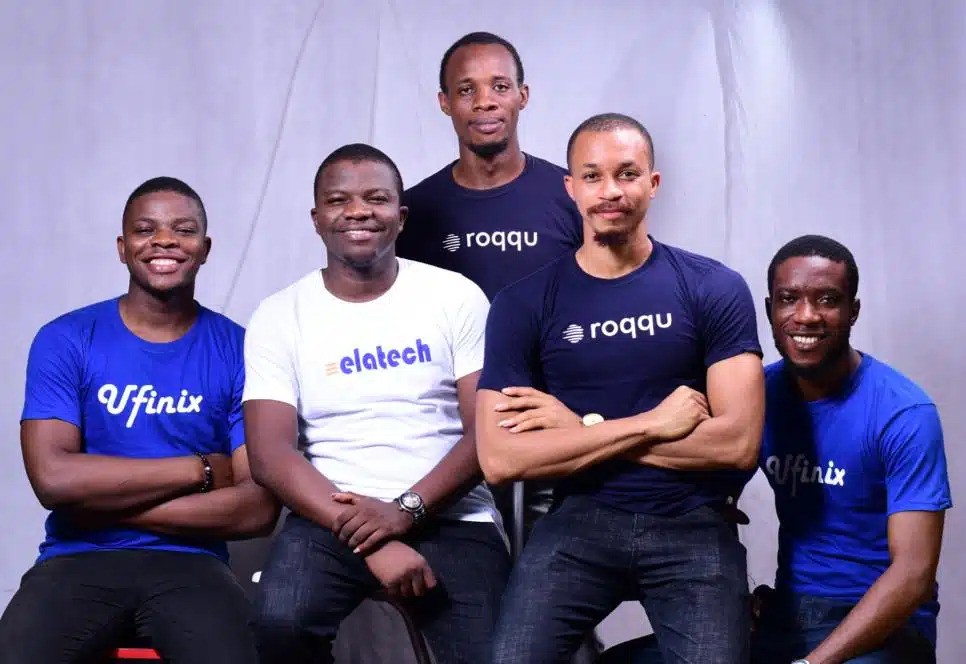
Roqqu is a Nigerian app that focuses on wide coin choice and ease of use. It supports lots of tokens beyond Bitcoin and Ethereum and lets you fund accounts with bank cards or transfers. The app also lets users pay bills straight from crypto balances.
Roqqu added the cNGN stablecoin and holds a virtual currency license in Europe. Issues reported include slow withdrawals, mixed customer service, and a flat 2 percent fee that can be higher than competitors. Liquidity is low on some listings. Good for users who need many coin options and local payment methods.
5. Busha
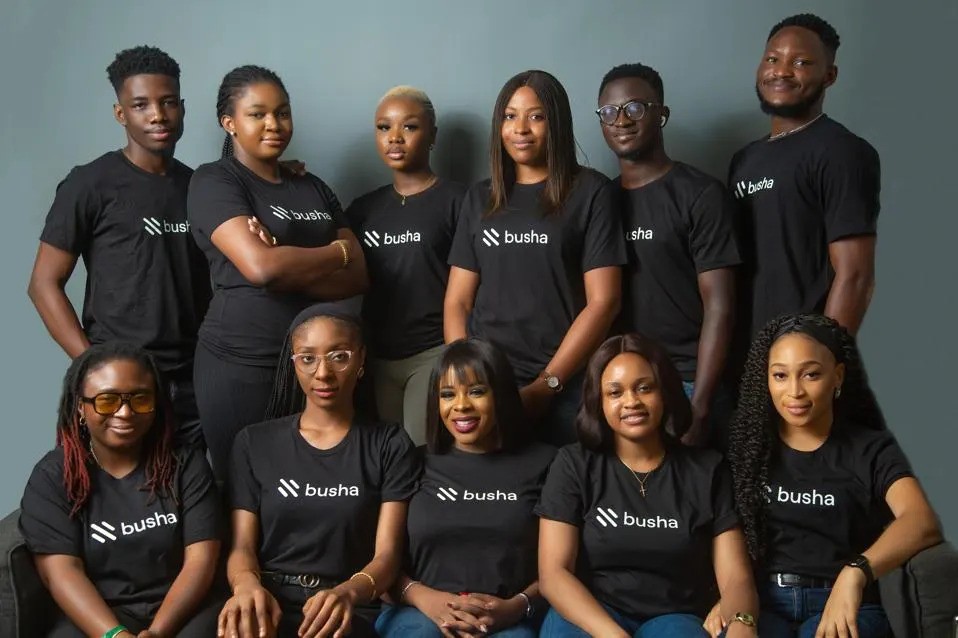
Busha is a local exchange that aims at beginners and follows regulatory rules. You can start with small amounts, often as low as ₦250, and naira conversions usually do not charge trading fees.
The app offers recurring buys, limit orders, and a yield account with competitive rates on stablecoins. Some customers face delayed deposits or withdrawals and confusion over final pricing. Support response times can be slow at peak times. Best for new investors who want low minimums and compliance.
6. Breet

Breet is an over-the-counter service that turns cryptocurrency into naira quickly. You send coins to a Breet wallet, the app calculates the naira amount and pays your bank account in minutes. There is no need to find buyers or haggle over prices.
The platform uses two-factor authentication and keeps clear payout records, and support answers questions. Breet does not let you buy crypto, has no peer-to-peer market, and offers only limited swap options. It is the best choice for freelancers and businesses that need fast cashouts.
7. Yellow Card
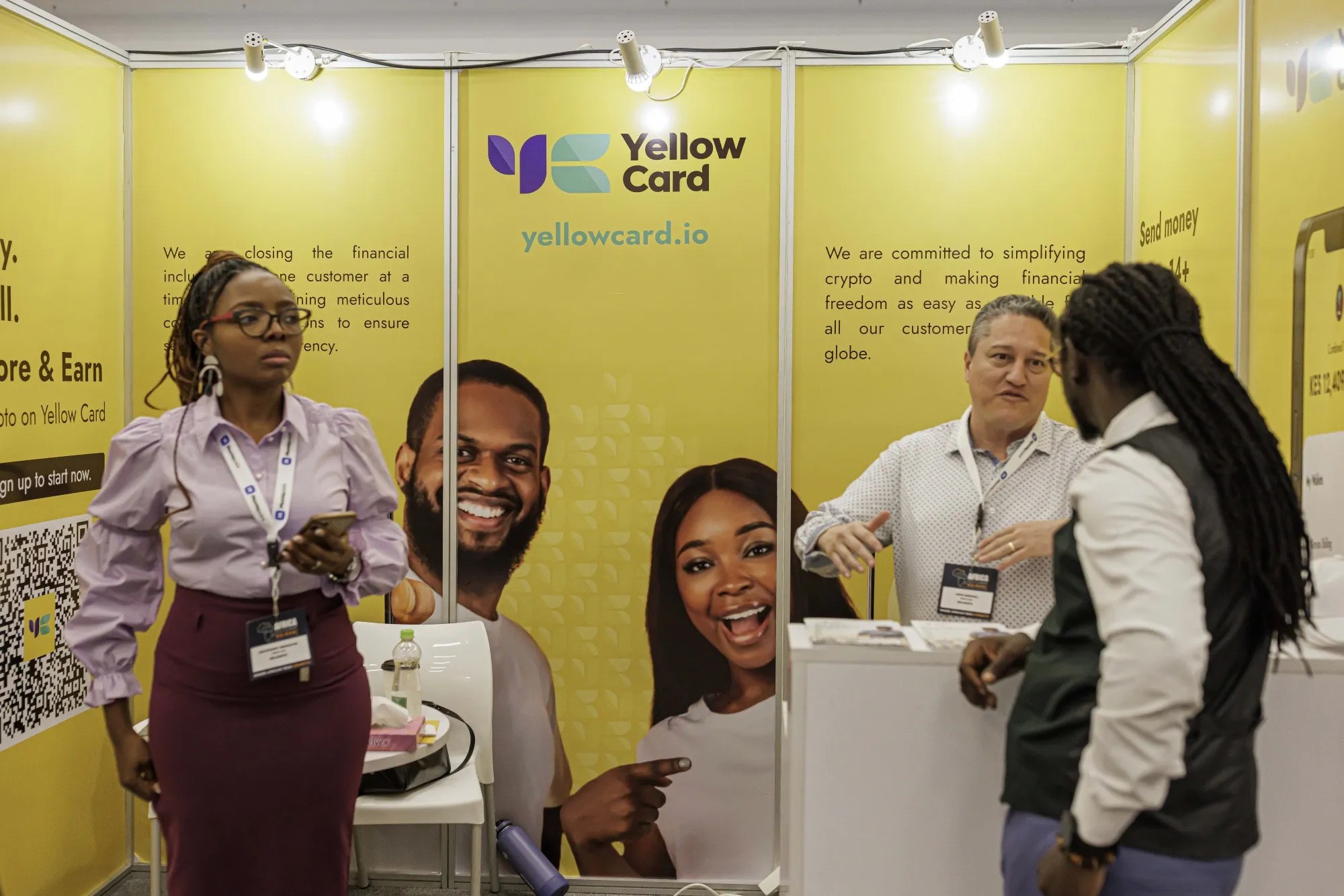
Yellow Card serves many African countries and supports several local currencies. You can buy Bitcoin, Ethereum, or USDT by bank transfer, mobile money, or cash through agents. There are no deposit or withdrawal fees, though rates may include a small markup.
Yellow Pay lets you send money across African borders and settle in local currency. The service keeps things simple, so advanced trading tools are not available and transfers may slow during busy times. Great for straightforward purchases and cross-border payments.
8. Bitmama

Bitmama moved from peer-to-peer trading to a full crypto service with direct bank linking for deposits and withdrawals. It offers virtual cards that let you spend crypto on sites that accept Visa or Mastercard, plus a loan-to-buy feature for users who want credit to buy coins.
Security includes two-factor checks and cold storage for offline holdings. Some customers have reported deposit delays, temporary outages, and uneven support during busy periods. Best for people who want virtual card access or flexible payment choices, but use caution with credit features.
9. Bybit
Bybit is a top crypto exchange used in Nigeria for safe, full-featured trading. It supports spot trades, derivatives, margin, and copy trading so you can mirror successful traders. The site lists hundreds of coins with strong liquidity on major pairs. Advanced charts, technical tools and flexible order types suit experienced traders.
Security includes cold storage for most assets, regular audits, and an insurance fund. The mobile app offers the same tools as the desktop version so you can trade anywhere. Nigerians must fund accounts with stablecoins or use peer-to-peer offers because naira deposits are not supported. It's the best option for skilled traders who need advanced tools and derivatives.
10. KuCoin
KuCoin is popular with Nigerian users thanks to its huge token selection. The exchange lists over 600 cryptocurrencies, including many lesser-known altcoins. Its peer-to-peer market lets you trade using naira and several payment methods. KuCoin offers trading bots, staking for passive returns, and futures for leveraged positions.
Fees start at 0.1% and drop as your volume grows, and holding KCS brings extra discounts. New projects often appear here first, giving early access to potential gains. There is no direct naira funding, so you must use P2P or buy crypto elsewhere before transferring. The layout can confuse new users and local customer service is limited. Best for enthusiasts who want rare tokens and advanced features.
11. Coinbase
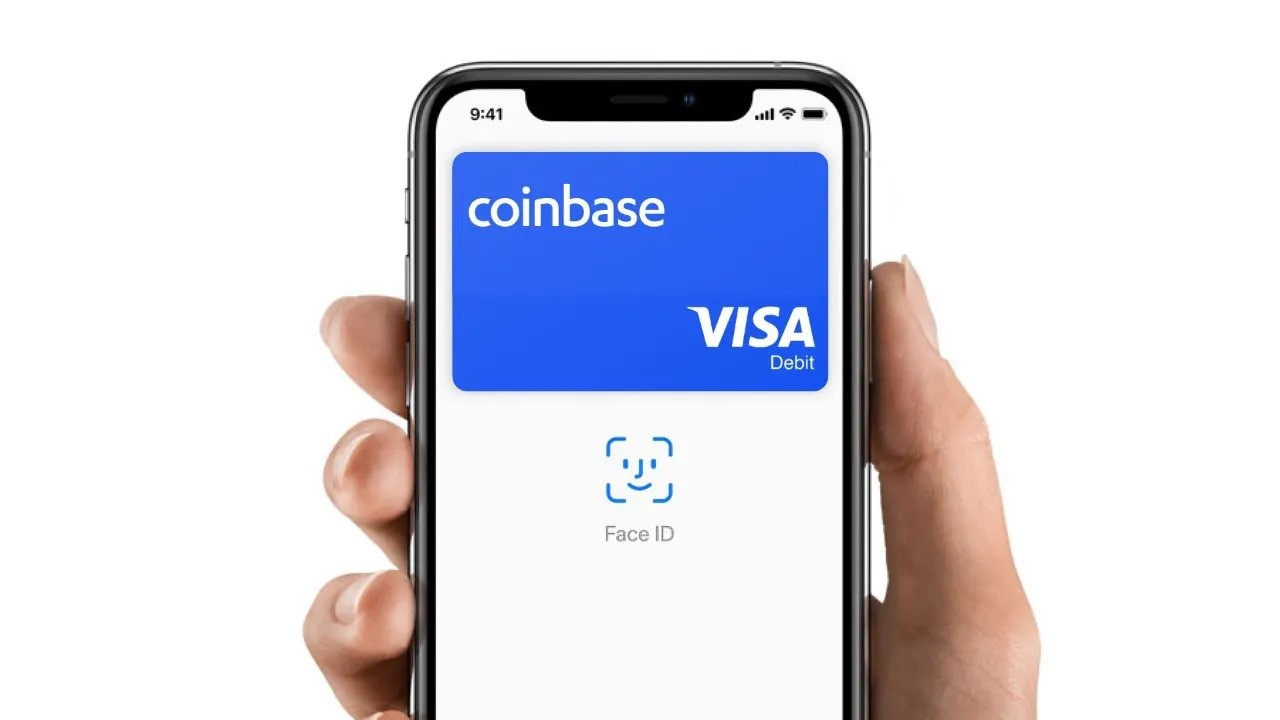
Coinbase is a US-based exchange known for strong regulatory compliance and institutional trust. It operates in more than 100 countries and follows strict financial rules in trading. The interface is simple and guides new users through buying crypto, with short lessons that reward small crypto amounts.
Hot wallet balances have insurance cover for extra protection. Nigerian users cannot deposit naira directly and must use international payments or stablecoins. Fees are higher than on many peer-to-peer platforms, which can reduce returns for frequent traders. Some services may be restricted by location.
12. Kraken
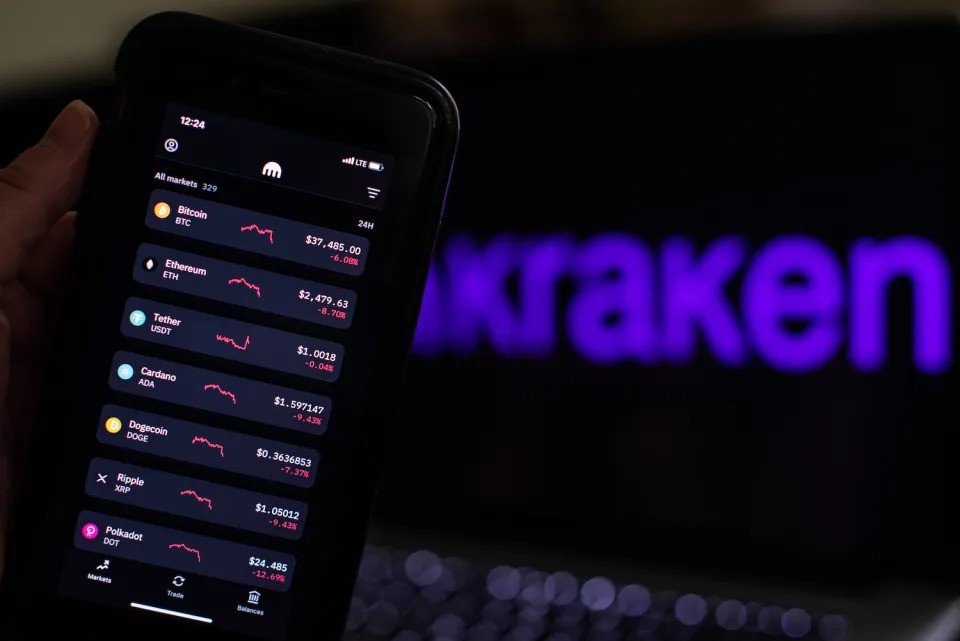
Kraken is a well-known US exchange that many users in Nigeria trust for security and strict rule-following. It lists more than 200 coins and has advanced order types, margin trading up to 5x, and futures markets for active traders.
Fees get lower as trading volume rises, with top-tier maker fees down to 0 percent. Safety tools include proof of reserves, extensive cold storage and an option that blocks account changes from new devices. You cannot deposit naira directly, so funding is trickier for local users.
13. Bitget
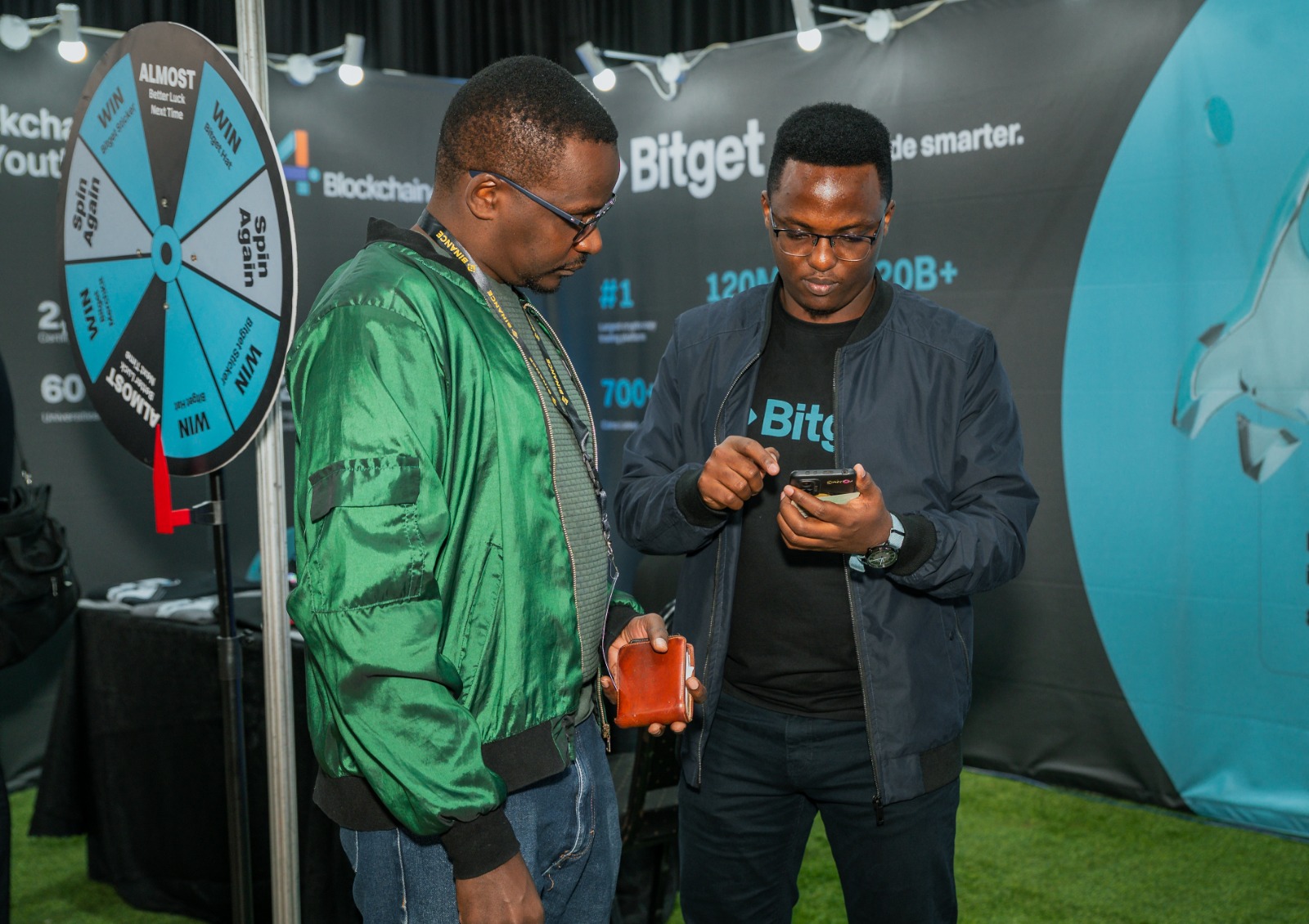
Bitget is popular with traders who want feature-rich tools and copy trading. The exchange supports over 550 tokens and runs spot and futures markets, with futures leverage up to 125x and margin options. Trading fees are low about 0.1 percent on spot and as little as 0.02 percent for futures makers and holders of the BGB token get extra discounts.
Security includes two-factor login, cold storage, proof of reserves and a $300 million protection fund. Nigerians mainly fund accounts with stablecoins or P2P methods because naira deposits are not available.
14. Okx
OKX grew into a major global exchange with spot, futures, staking and copy-trading services, usually charging around 0.08 percent for makers and 0.1 percent for takers. Due to regulatory changes, the platform stopped most services for Nigerian customers.
Since August 16, 2024, Nigerian users can only withdraw funds, deposits, naira trading, and P2P functions are disabled. If you need naira support or local customer help, OKX no longer meets those needs. Existing account holders can move money out but cannot open new trades.
15. EToro
eToro mixes regular investing with social features that let you view other traders’ portfolios and copy their moves automatically. The site covers stocks, commodities, forex and crypto, giving users a single place to manage different assets.
The interface is user-friendly and copy trading helps beginners follow proven strategies. Nigerians cannot fund accounts with naira directly and must use international payment options. Some features are limited by local rules and withdrawal costs can be high. Best for people who want both traditional markets and social trading in crypto.
16. Patricia

Patricia app lets users trade cryptocurrencies, buy airtime, pay bills and exchange gift cards in one place. It was once very popular for its easy design, quick transactions, and focus on Nigerian users.
Over time, many users began to complain about frozen accounts, slow withdrawals, and poor customer service. Anyone choosing to use it should start with small transactions, monitor activities closely and be cautious. It suits users who already understand how it works and are aware of the risks.
17. NairaEx
NairaEx is a local crypto exchange built for Nigerians. It allows users to buy cryptocurrencies instantly using naira through bank transfers or cards. The platform supports Bitcoin, Ethereum, USDT and a few other coins. It also lets users pay bills, buy airtime and purchase gift cards directly from their crypto wallet, making it useful for daily needs.
The design is simple and easy to use, with support teams that understand Nigerian banking systems. However, the platform does not share much about its security methods, and because it’s smaller, it may not have enough liquidity for very large trades. Some users also report delays during busy hours.
18. Bundle Africa
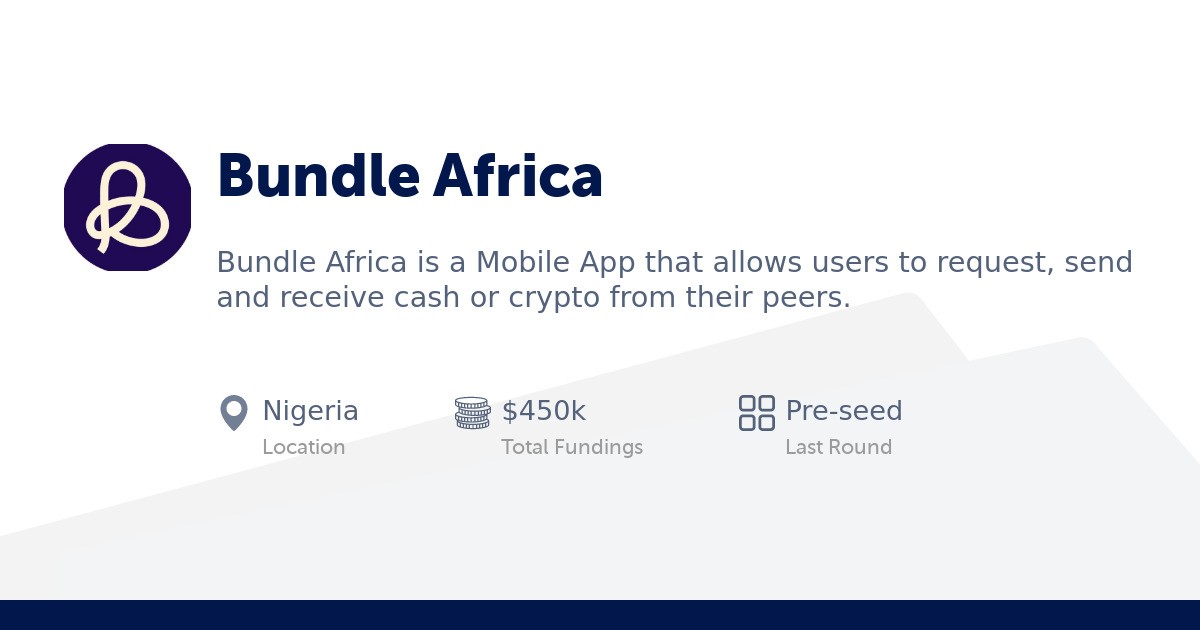
Bundle Africa started as a payment platform for bills and airtime before adding crypto services. Today, it allows users to buy, sell, and store cryptocurrencies along with regular financial activities. Many people like it because they can manage all their money tasks in one app instead of using multiple platforms.
The platform supports Bitcoin, Ethereum and several stablecoins. It also connects with utility payments, allowing users to turn crypto into cash for bills easily. However, since it’s smaller than big crypto exchanges, it has fewer users and limited community support.
19. Lazerpay
Lazerpay aimed to help Nigerian businesses accept cryptocurrency payments easily. It offered tools that allowed websites and apps to accept payments in Bitcoin, USDT and other cryptocurrencies while businesses received their money in naira.
The rise in Nigeria inflation ratealso made such services attractive, as many business owners looked for stable digital alternatives to protect their earnings. Lazerpay shut down in 2023 due to tough market conditions and unclear regulations. Its closure shows how hard it can be for crypto startups to survive in Nigeria’s changing environment.
20. Buycoins
Buycoins was once a trusted crypto exchange in Nigeria where users could buy, sell, and store digital currencies. It built a strong name for being reliable and easy to use. Over time, the company changed its direction due to new laws and low liquidity.
It no longer offers direct crypto trading and has moved to a different business focus. Users who once depended on Buycoins had to switch to other exchanges. Buycoins is noted here to show how regulation and market conditions continue to shape Nigeria’s crypto space.
21. Prestmit
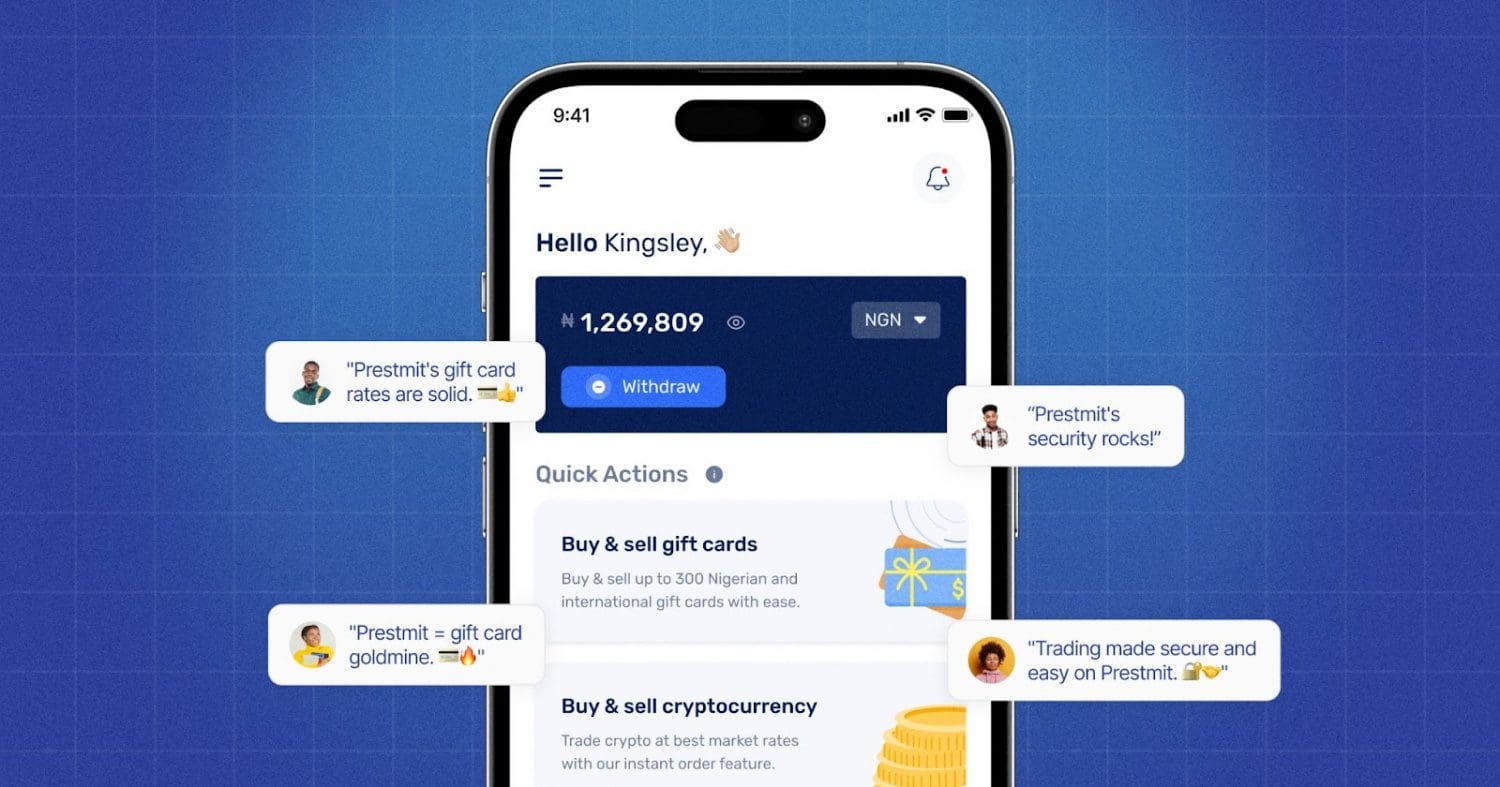
Prestmit mainly deals with gift card trading but also allows cryptocurrency exchange. Users can sell gift cards for naira or crypto, then choose to keep the crypto or change it back to naira. This makes it a good option for people who trade gift cards and also use crypto.
The platform offers fast payments and fair rates, which attract many traders. Security steps like account checks and transaction tracking help protect users. The app is easy to use, though crypto services are not as advanced as other platforms. During busy periods, there can be less liquidity and crypto users may wait longer for support.
22. Dart Africa
Dart Africa is a crypto-to-cash platform designed for quick conversions. Users send their crypto and get naira straight into their bank accounts. It works much like Breet but with some small differences.
The platform promises fast processing and good rates. It connects directly with Nigerian banks for easy withdrawals and supports several cryptocurrencies. However, there is little public information about its security or legal compliance.
23. Bitnob
Bitnob focuses mainly on Bitcoin and builds its services around it instead of supporting many other coins. It offers Bitcoin savings, lightning network transactions for faster and cheaper transfers, and cross-border payments.
The Lightning Network feature makes it great for small or frequent payments since it reduces fees and speeds up confirmations. Bitnob also educates users through articles and guides on how Bitcoin can be used for savings and payments.
Still, it only supports Bitcoin, so users who trade other coins may not find it ideal. The services feel more like experiments compared to older exchanges. It’s best for Bitcoin fans who want to learn and use Lightning Network technology.
24. Paxful
Paxful is a peer-to-peer crypto marketplace where buyers and sellers trade directly. Users can set their own prices and choose from many payment options. It is one of the most used P2P platforms in Nigeria and supports over 300 payment methods such as bank transfers, mobile money, gift cards and cash.
This helps people who face banking limits. Paxful uses an escrow system to hold crypto safely until payment is confirmed, which reduces fraud. Users still need to be careful since prices can differ widely and some sellers add high premiums. Scam risks still exist, and resolving disputes can take time.
25. Remitano
Remitano is one of the leading peer-to-peer crypto platforms in Nigeria. It lets users trade directly with others while also offering exchange-style features for flexible buying and selling. The escrow system keeps funds safe until both parties confirm payment. Nigerians can pay using bank transfers or mobile money.
Users can also lend their crypto to earn interest, making it useful for those who want passive income. Prices on peer-to-peer markets change often, and deals can take time to find. The interface may feel tricky for new users, and disputes may need support help. It suits people who understand peer-to-peer trading and want the best rates.
26. BitPapa
BitPapa is a peer-to-peer marketplace that focuses on safe and simple crypto trading. Nigerians can buy and sell Bitcoin, Ethereum, USDT and more directly with others. It uses escrow and ID verification to prevent fraud and has a dispute system for failed trades.
Payment options include Nigerian bank transfers and mobile money. Being new in the market, it has a smaller user base, which can affect prices and speed. Fewer learning guides are available, making it less beginner-friendly. It’s best for users who want strong security on a growing platform.
27. LocalBitcoins
LocalBitcoins was one of the first and most trusted peer-to-peer crypto trading platforms. Since 2012, it connected buyers and sellers directly and gained huge popularity in Nigeria. It offered many payment methods and a large number of traders, making deals quick and flexible.
Its long history made it reliable for years. However, in 2023 the company closed, and users had to move their funds to other platforms. It remains important for its historical role in crypto trading and as a reminder for older users familiar with the name.
28. Chipper Cash
Chipper Cash is a popular African payment app that lets people send money across countries instantly and for free. It also added a crypto feature, allowing users to buy, sell, and hold Bitcoin and a few other coins.
The app’s mobile design makes it easy for smartphone users and the zero-fee transfers are great for families and businesses working across borders. Its crypto options are limited and the tools are basic compared to full exchanges. Some countries also have restrictions on crypto use.
29. Cwallet
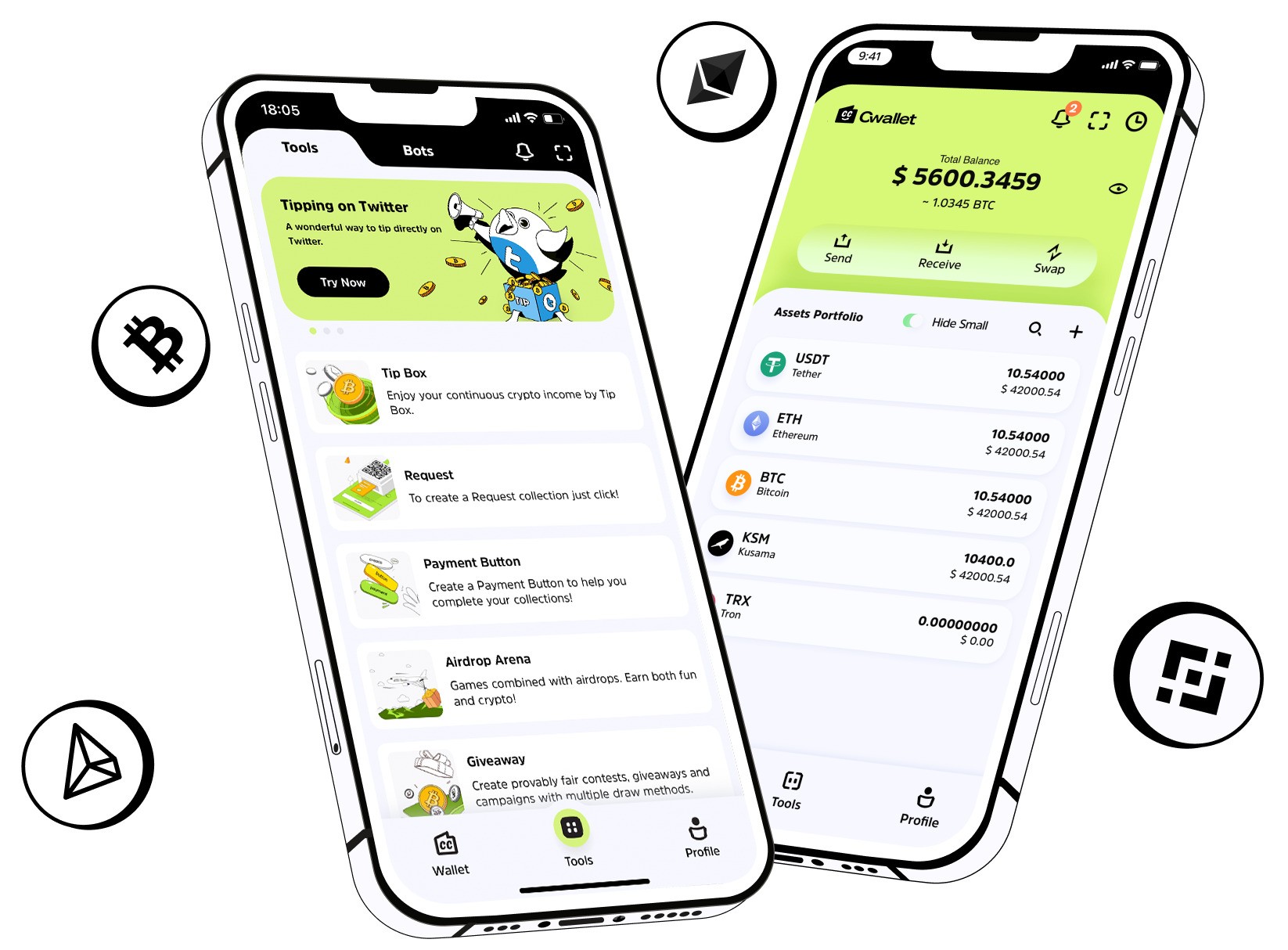
Cwallet is a digital wallet and trading app built using Binance’s system for better security and liquidity. It offers features like social tipping, community rewards, and airdrops.
Users can send crypto to friends through social usernames instead of long wallet addresses, which makes transactions easier. The Binance link ensures strong pricing and fast trades. Some users may find its many features confusing or unnecessary. It’s a good fit for those interested in social crypto activities and bonus rewards.
30. Trust Wallet
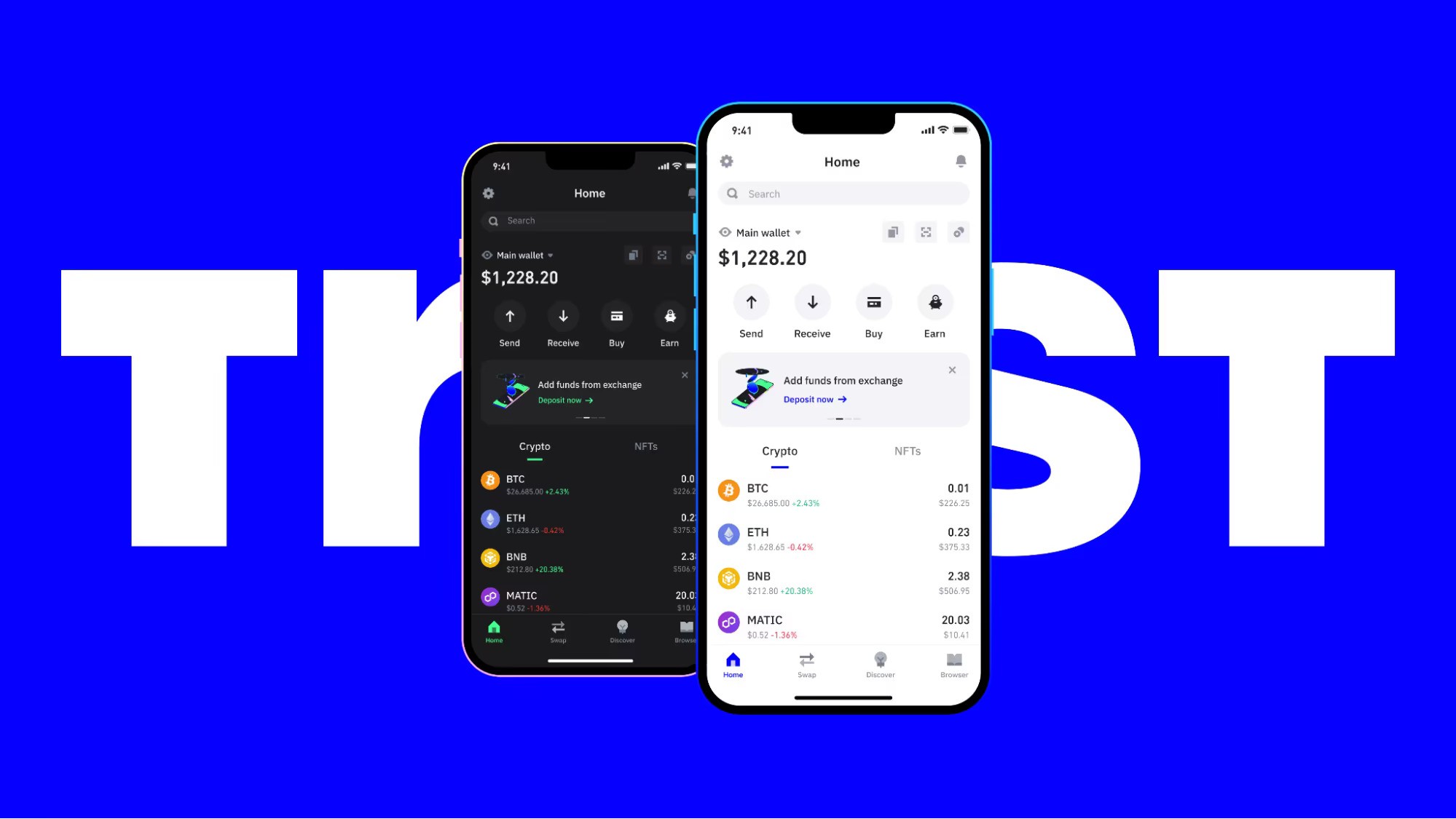
Trust Wallet is a non-custodial crypto wallet where users fully control their funds and private keys. It supports thousands of coins across several blockchains, making it very flexible. Users can swap tokens within the app using its decentralized exchange feature and browse Web3 apps safely.
Since it’s not an exchange, you can’t buy crypto directly with naira, you’ll need to buy elsewhere and transfer it in. Users are fully responsible for their wallet security; losing the recovery phrase means losing access forever. It’s best for people who already understand crypto and want total control over their assets.
Safety Practices For Nigerian Crypto Users
- Enable Two-Factor Authentication - Turn on 2FA for every crypto platform you use. Use an authenticator app instead of SMS to prevent SIM-swap attacks.
- Start Small and Test First - When trying a new app, use small amounts. Test deposits, trades, and withdrawals. Only increase your activity once you’re sure everything works properly.
- Double-Check Payment Details - Crypto transactions can’t be reversed. Always confirm wallet addresses before sending funds. For big transfers, test with a small amount first.
- Keep Recovery Phrases Private - Never share your wallet recovery phrase or private keys. No legitimate service will ask for them. Anyone requesting them is a scammer.
- Use Strong, Unique Passwords - Each crypto account should have its own password. Avoid reusing passwords and use a password manager to keep them secure.
- Avoid Unrealistic Offers - Ignore promises of guaranteed profits or doubled returns. Crypto trading carries risks, and quick, risk-free gains are signs of scams.
- Stay Updated on Platforms - Follow your platforms on social media or join their Telegram groups. Updates about system maintenance or rule changes are often shared there.
- Understand Crypto Taxes - Crypto earnings in Nigeria might be taxable. Keep records of all your transactions, including dates and amounts. Speak with a tax expert if needed.
Understanding Fees In Crypto Platforms
Exchange Trading Fees
Most exchanges charge a small percentage per trade. Binance takes about 0.1% for both order makers and takers, with lower fees for frequent traders. Quidax says it has no direct fee for naira conversions, but it adds a small difference in the exchange rate, which acts as a hidden fee.
Peer-to-Peer Premiums
P2P trades often cost more than regular exchange prices because sellers add a small premium for convenience and risk. The extra charge can be between 2% and 8%, depending on payment method and demand.
Bank transfers usually have the lowest fees, while gift cards can cost more. These markups show the characteristics of a crypto broker, since brokers and sellers set fees to cover fraud risk, payment delays and the work of handling trades.
Deposit And Withdrawal Fees
Some platforms charge for moving money in or out. For example, Luno charges ₦50 for bank withdrawals. Always check fee details before choosing an app to avoid extra costs.
Network Fees
Each blockchain charges a fee to process transactions. Bitcoin fees can range from under ₦1,000 to over ₦10,000 depending on how busy the network is. Ethereum can be higher. To save costs, use Tron-based USDT (TRC-20), which is much cheaper than Ethereum-based USDT (ERC-20).
FAQs About Crypto Brands Operating In Nigeria
Which Crypto App Pays Out Naira The Fastest?
Breet usually sends naira to your bank in about five minutes, so it is the quickest choice. Quidax and Busha often complete bank transfers in 15 to 30 minutes during normal banking hours. Peer-to-peer services like Binance P2P depend on the seller.
Are Nigerian Crypto Platforms Safe To Use?
Licensed exchanges such as Quidax and Busha follow rules that add extra protection. Long-running services like Luno and Binance show they can keep user funds safe over time. Still, no service is risk-free. Use sites that offer two-factor authentication, cold storage and clear operating policies.
How Much Money Do I Need To Start Trading Crypto In Nigeria?
Busha lets you start with about ₦250, while Luno usually requires around ₦1,000. Binance allows very small purchases, but network fees can make tiny trades impractical. A good starting amount for learning is ₦5,000 to ₦10,000.
Which App Is Best For Buying USDT In Nigeria?
Binance P2P often has the best rates for USDT because many sellers compete there. Roqqu and Quidax let you buy directly with bank transfers but may add small markups. For frequent small buys, Quidax or Roqqu are convenient.
Can I Get My Crypto Back If I Send It To The Wrong Address?
Crypto transfers cannot be reversed. If you send funds to the wrong address, you will likely lose them unless the owner of that address returns them. Always check addresses carefully before sending.
What Should I Do If A Crypto Platform I Use Shuts Down?
Platforms can face financial or legal trouble and users may lose money. That is why many people keep only small trading balances on exchanges and store larger amounts in private wallets. If a closure is announced, move funds out quickly to a personal wallet or another trusted exchange.
Final Thoughts
Nigeria’s crypto market is fast and has many apps for different needs. Beginners should pick regulated, easy apps like Luno, Quidax or Busha. Traders need platforms with deep liquidity and advanced tools such as Binance, Bybit or KuCoin.
For quick naira cashouts choose Breet or Dart Africa. Always protect your funds, enable two-factor authentication, keep private keys offline and keep only trading funds on exchanges.
Next Read: Top Digital PR Companies In Kenya